Key Farmer Takeaways & Action Points
- The pump is the cheap part. Fuel is where a petrol or diesel pump really costs you.
- At current fuel prices, a small pump running four hours a day can burn through roughly Ksh 16,000 a month.
- A solar pump costs more upfront but very little to run, so it often pays for itself within one or two dry seasons.
- Size the solar pump to your water source and the area you irrigate, not to the biggest kit you can afford.
The question we hear most
When farmers ask us about solar pumps, the conversation usually starts with price. A small petrol pump can be bought for a fraction of what a solar kit costs, so why pay more?
The honest answer is that the pump is the cheap part. What you are really comparing is years of fuel against a one-off cost.
A simple worked example
Take a smallholder irrigating vegetables with a small petrol pump. The numbers below are estimates, so swap in your own.
| Petrol or diesel pump | |
|---|---|
| Fuel use | About 0.6 litres per hour |
| Hours per day | 4 |
| Fuel price (Nairobi, October 2026) | About Ksh 227 per litre |
| Fuel per day | About Ksh 545 |
| Fuel per month | About Ksh 16,400 |
| A 4-month dry season | About Ksh 65,000 |
That is before oil changes, repairs, and the trips to buy fuel. Fuel prices outside Nairobi are usually higher.
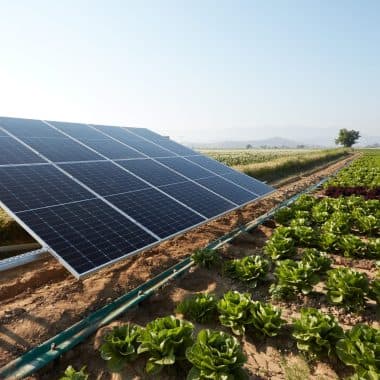
Our smallholder solar pumping kit for a borehole or river is listed at Ksh 135,000, with smaller kits from Ksh 65,000. On the numbers above, the fuel saved covers the cost of the kit in roughly one to two dry seasons. After that, the water is close to free.
Where solar wins, and where it does not
Solar is not the right answer for every farm. It is worth being clear about the trade-offs.
- •Solar wins when you irrigate regularly, have a reliable water source and can water during daylight hours.
- •Solar wins when fuel is expensive or hard to get where you farm.
- •A fuel pump can still make sense if you only irrigate a few days a year, or need to move the pump between many sites.
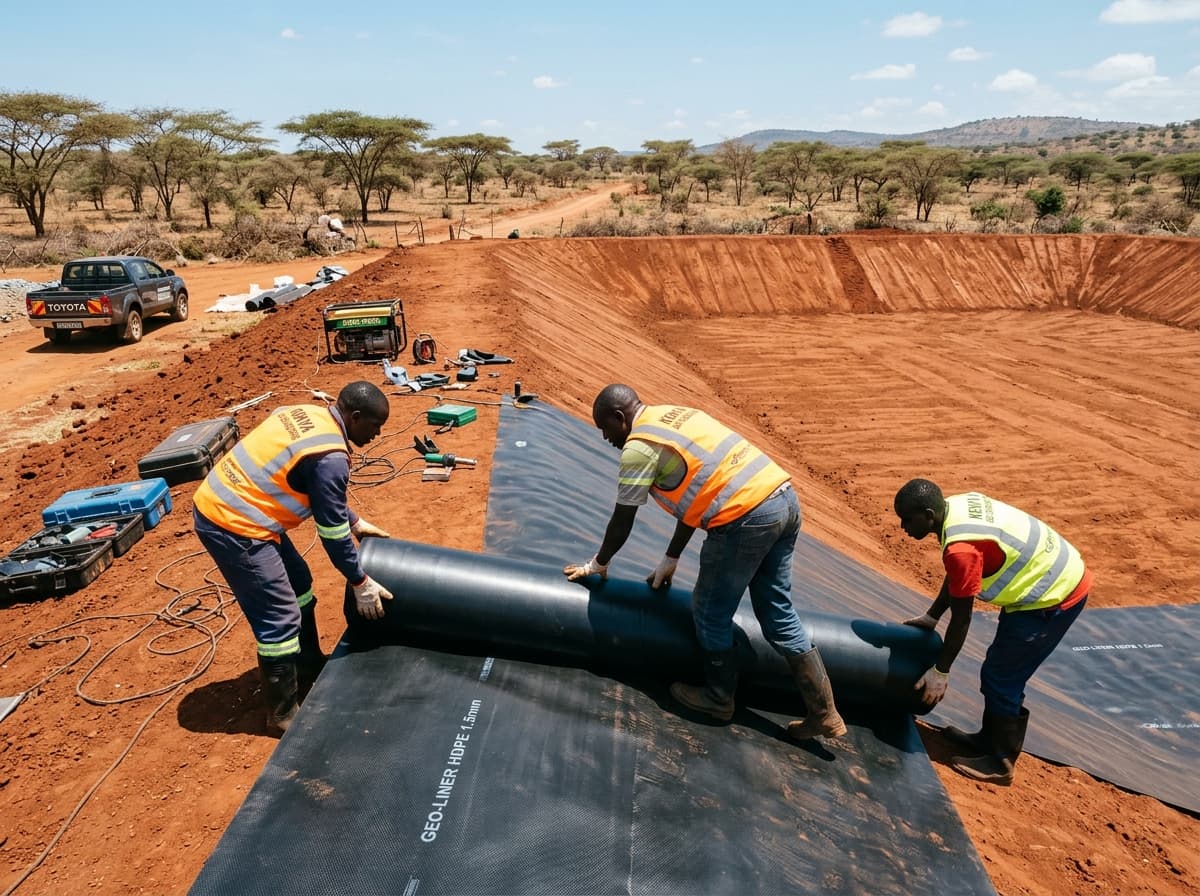
- •Without a battery, a solar pump runs in daylight. Many farmers pump into a raised tank or a lined water pan during the day and irrigate from storage.
Getting the size right
The most common mistake is buying a pump that is too big or too small for the water source. Before quoting, we look at how deep the water is, how much the source can give per day, how high it needs to be lifted and how much land you want to water. A smaller, well-matched system nearly always beats an oversized one.
Make the water go further
Interested in Solar Water Pumping?
Explore technical sizing, live pricing, and on-farm turnkey installation packages.